Source Metal Mechanical Musical Movement for Gifts, Crafts, and Toys
Find 16 metal mechanical musical movement options for holiday gifts, crafts, and toys. Compare features like sound duration, melody count, and certifications to select the right component for your product line; compare the available evidence and request quotations based on your requirements.
Key considerations
Products List


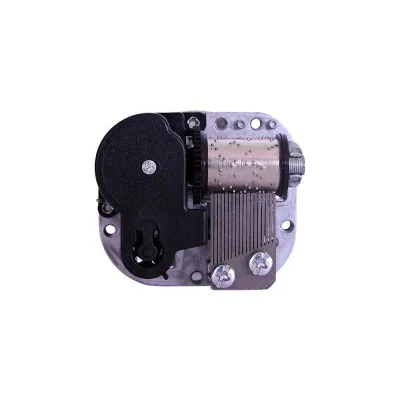
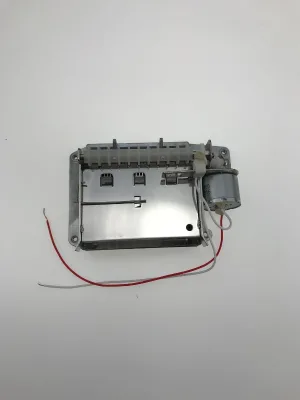




Comprehensive Sourcing Guide
Metal Mechanical Musical Movement Sourcing Guide
Procuring metal mechanical musical movements requires a clear understanding of the diverse configurations available in the current market, ranging from standard rectangular units to creative, irregular shapes. Buyers must recognize that these components serve as the core engine for various music box applications, functioning as the primary part that generates sound through mechanical vibration. The observed product landscape includes movements with specific dimensions, such as 70x56.3x33mm or 54.5x49x32.2mm, indicating that size is a critical variable for integration into different housing cases.
Sourcing decisions should be driven by the specific melody requirements and customization capabilities of the supplier. The market offers movements capable of playing over 3000 to 4000 melodies, with options for 18 or 30 tones and sound durations extending up to 120 seconds. Whether the application demands a romantic style for holiday gifts or a modern, fashionable aesthetic, the buyer must verify that the selected movement supports the intended tune list and power mechanism, such as wind-up systems, to ensure functional compatibility with the final product design.
Product Scope and Observed Listing Signals
The product scope for metal mechanical musical movements encompasses a wide array of styles, including creative, romantic, and modern designs, each tailored to specific consumer preferences. Listings indicate that these movements are often sold as parts of music boxes, with some units featuring a polished surface treatment and gold coloration to enhance visual appeal. The shape of the movement varies significantly, with observed examples ranging from standard squares and rectangles to irregular forms, necessitating careful selection based on the internal geometry of the intended music box shell.
Buyers must scrutinize listing signals regarding the specific model numbers and packing standards to ensure logistical compatibility. Observed models include identifiers like Y30B3, 3YE2035CWX, and 3YB2, each associated with distinct standard dimensions and packing methods, such as 25 pieces per foam plate or 50 pieces in a polyfoam base. These variations highlight the importance of verifying the exact physical footprint and packaging density before placing an order, as the physical constraints of the movement directly impact the assembly process and the final retail presentation of the gift item.
Technical Specifications to Verify
Technical verification begins with confirming the precise physical dimensions and material composition of the movement unit. The supplied data reveals that materials typically include aluminum alloy or general metal, with specific standard sizes like 50.5mm by 44.5mm by 34.5mm or 54.5mm by 49mm by 32.2mm. It is essential for the buyer to match these exact measurements against the internal cavity of their music box casing to prevent fitment issues, as even minor discrepancies in length, width, or height can render the component unusable without costly modification.
Beyond physical dimensions, the acoustic and functional specifications must be rigorously checked against project requirements. Key parameters include the sound duration, which can range from 30 seconds to 120 seconds, and the sound number, varying between 18 and 30 tones. Buyers should also verify the type of melody available, noting that suppliers may offer access to tune lists with over 3000 or 4000 options, and confirm the power mechanism, such as wind-up functionality, to ensure the movement delivers the desired auditory experience and operational reliability for the end user.
Compliance and Safety Documentation
Compliance verification is paramount when sourcing components intended for children or holiday gifts, as these products often fall under strict safety regulations. The observed listings frequently cite certifications such as EN71, RoHS, and Reach, which are critical for market access in Europe and other regions with rigorous safety standards. Buyers must request valid test reports confirming that the product passes specific EN71 parts 1-3 and other relevant safety protocols, ensuring that the materials and construction do not pose hazards to end users, particularly in applications involving small parts or mechanical vibrations.
Documentation should also address the broader regulatory framework governing electronic and mechanical toys, even if the movement itself is purely mechanical. While some listings mention ISO9001 as a background standard, the primary focus must remain on product-specific certifications like EN71 and RoHS that directly impact safety and environmental compliance. Procurement teams should ensure that the supplier provides up-to-date certificates for each batch, verifying that the metal components and any associated finishes meet the required chemical and physical safety thresholds for the target export markets.
Cost Drivers and Commercial Terms
Cost drivers for metal mechanical musical movements are heavily influenced by the complexity of the melody mechanism and the level of customization required. Units offering access to extensive tune lists with over 4000 melodies or those with specific sound durations like 120 seconds typically command higher prices than basic 18-tone models. Additionally, the choice of material, such as aluminum alloy versus standard metal, and the surface treatment, like polished finishes, can significantly impact the unit cost, requiring buyers to balance performance needs with budget constraints.
Commercial terms must be carefully negotiated to account for the observed wide range in Minimum Order Quantities (MOQ) and pricing structures. The market shows MOQs ranging from as low as 1 unit to as high as 1000 units, with prices varying from $0.25 to $3999 depending on the specific model and customization level. Buyers should clarify whether the quoted price includes standard packing or specialized packaging like foam plates, and confirm the lead times associated with different order volumes to ensure that production schedules align with the overall supply chain requirements for the final music box assembly.
Supplier Qualification and Quality Control
Supplier qualification should focus on verifying the origin and manufacturing capabilities of the provider, as the supply chain for these movements is concentrated in specific regions of China. Observed data indicates origins in Zhejiang, Ningbo, and Shandong provinces, suggesting a robust manufacturing ecosystem in these areas. Buyers should prioritize suppliers who can demonstrate consistent production quality and the ability to handle the specific customization requests, such as providing a customized product or specific style variations, to ensure a reliable supply of high-quality movements.
Quality control protocols must be established to verify the consistency of the mechanical vibration sound and the durability of the metal components. Since the product functions as the main part of the music box, any failure in the movement renders the entire unit defective. Buyers should implement incoming quality checks that test the sound duration, melody accuracy, and mechanical integrity of the wind-up mechanism. It is also advisable to request samples that match the exact model number and standard dimensions before committing to a large order to validate that the supplier can consistently deliver products that meet the specified technical and aesthetic requirements.
Long-Term Procurement Checks
Long-term procurement success depends on maintaining a stable relationship with suppliers who can support ongoing customization and volume scaling. As the market offers a wide variety of styles, from creative to romantic, and a vast selection of melodies, buyers must ensure their suppliers have the capacity to adapt to changing design trends and customer preferences without compromising on quality or lead times. Establishing clear communication channels for updates on new models, such as the YS-02 or 0926 series, helps in staying ahead of market demands and maintaining a competitive edge.
Continuous monitoring of compliance and performance is essential to mitigate risks associated with regulatory changes and product failures. Buyers should regularly audit their suppliers to ensure continued adherence to EN71, RoHS, and Reach standards, as these requirements can evolve over time. Additionally, tracking the performance of the movements in the field, particularly regarding sound duration and mechanical reliability, allows for proactive adjustments to the supply chain. This proactive approach ensures that the music box products remain safe, functional, and compliant throughout their lifecycle, protecting the brand reputation and customer satisfaction.
FAQs
How does a metal mechanical musical movement produce sound?
It works by mechanical vibration sound, meaning a wound spring drives a rotating cylinder whose pins pluck a tuned metal comb. Because play power is wind-up, no battery or electricity is needed. Tone count, commonly 18 tone or 30 tone, determines musical richness, and sound duration typically ranges around 30 seconds up to 120 seconds depending on the model.
What certifications should metal mechanical musical movement products have?
Listed products carry EN71, RoHS, and Reach certification, with some stating they pass Europe EN71 1-3 as well. These cover safety and chemical compliance, which matters especially for music boxes intended as children's or holiday gifts. Always request current certificate copies for the specific model, since certification applies per product and should be verified before ordering.
Can the melody in a metal mechanical musical movement be customized?
Yes, customization is available on listed items, and tune lists are offered with more than 3000 to over 4000 melodies selectable, including children, Christmas, classical, and popular types. Confirm your chosen tune exists on the supplier's tune list, then request a sample to check sound quality and duration before committing to a production quantity.
What sizes do metal mechanical musical movement units come in?
Listed specifications include 50.5mm x 44.5mm x 34.5mm, 54.5 x 49 x 32.2mm, and 70 x 56.3 x 33mm, so the products are small components. Size matters because the movement must fit inside your music box shell case. Check the listed standard dimensions against your housing cavity and allow clearance for the winding shaft and mounting points.
Which melody types can be selected for a wind-up musical movement?
Available types include children, Christmas, classical, and popular melodies, drawn from tune lists offering more than 3000 to over 4000 selections. Pick a melody that suits the end use, such as a lullaby for a baby gift or a holiday tune for seasonal products. Request the tune list first, since availability varies by model and tone configuration.
How are metal mechanical musical movement units typically packed for shipping?
Observed packing includes 25 pieces per foam plate, 50 pieces in a polyfoam base, and standard packing, with some items sold as a single item. Foam or polyfoam protection is important because the metal comb can be damaged by shock. Confirm packing format, carton quantities, and drop-test expectations with the supplier before confirming your order.
Can metal mechanical musical movements be customized for my music box design?
Yes, customized production is available, covering aspects like melody selection, shape such as square or rectangle, and finishes like polished gold color. Movements can be supplied in shell case type as the main part of a music box. Share your housing drawings and target sound duration early so the supplier can confirm feasibility and sample costs.
Which tone configuration should I choose between 18 tone and 30 tone?
An 18 tone movement is generally smaller and more economical, while a 30 tone version offers a fuller, richer sound with longer more complex melodies. The 30 tone model listed measures 70 x 56.3 x 33mm and plays around 30 seconds. Balance sound quality requirements against housing size and unit budget when deciding.